
Understanding Documentary Wedding Photography
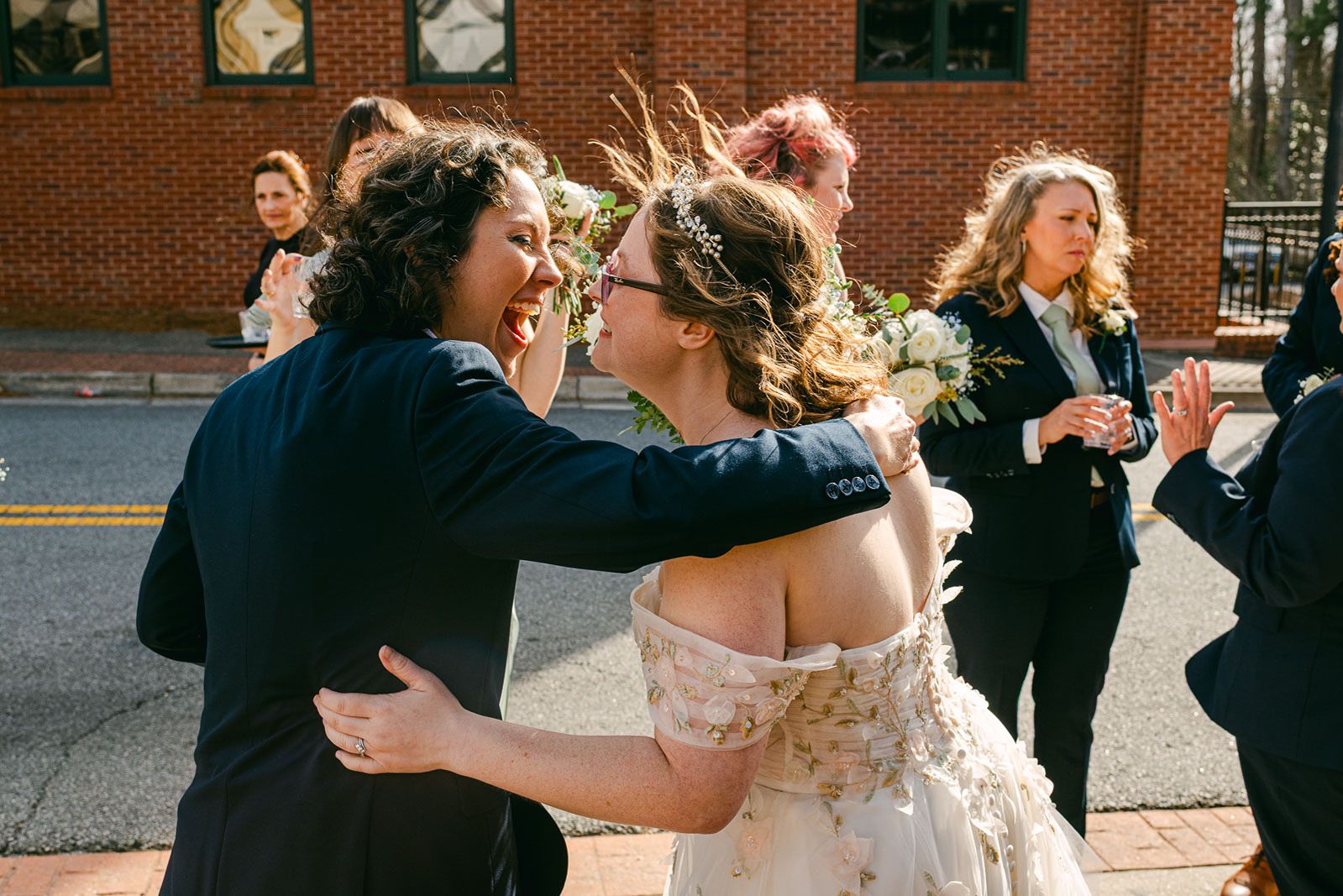
If you’re drawn to documentary wedding photography, chances are you’re responding to something that feels more real than performative. You’re not looking to be turned into a version of yourselves that “photographs well on paper” but feels totally unfamiliar in your body. You want images that feel like your day actually felt, to be transported back to those memories instantly, and you want to understand what that means in practice before you commit to it.
Wedding Photography Language, Explained
The confusion usually starts with language: terms like documentary, candid, and photojournalistic tend to be used interchangeably in the wedding industry, even though they describe different processes. That overlap can make it hard to know what you’re actually signing up for. But what matters most isn’t just how the photos look, but how they’re made and how that process shapes your experience of the day.
What is Documentary Wedding Photography?
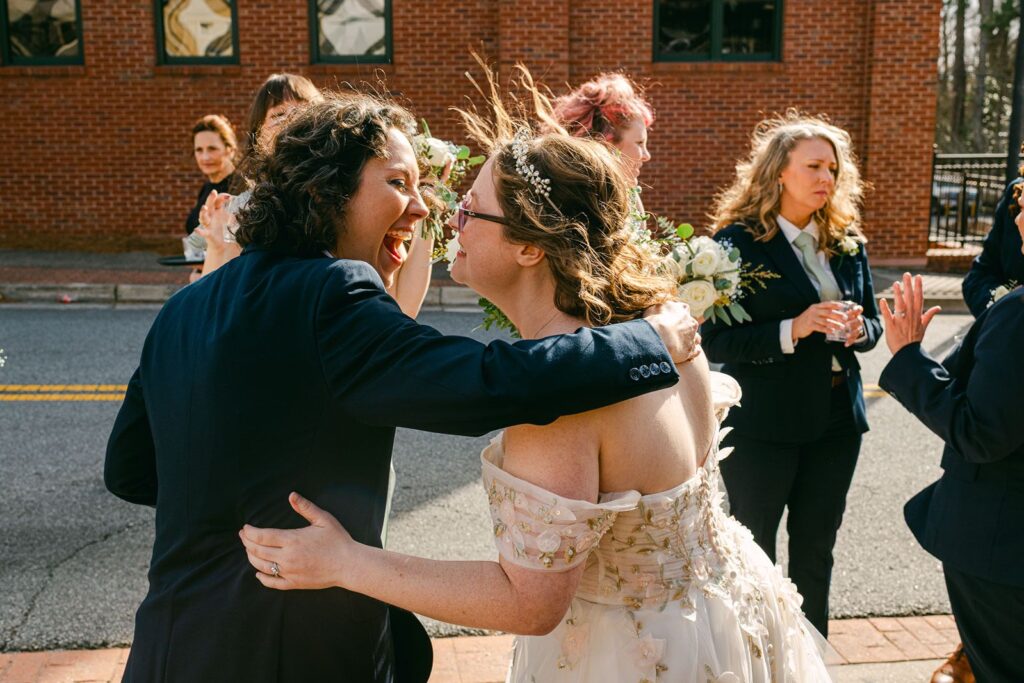
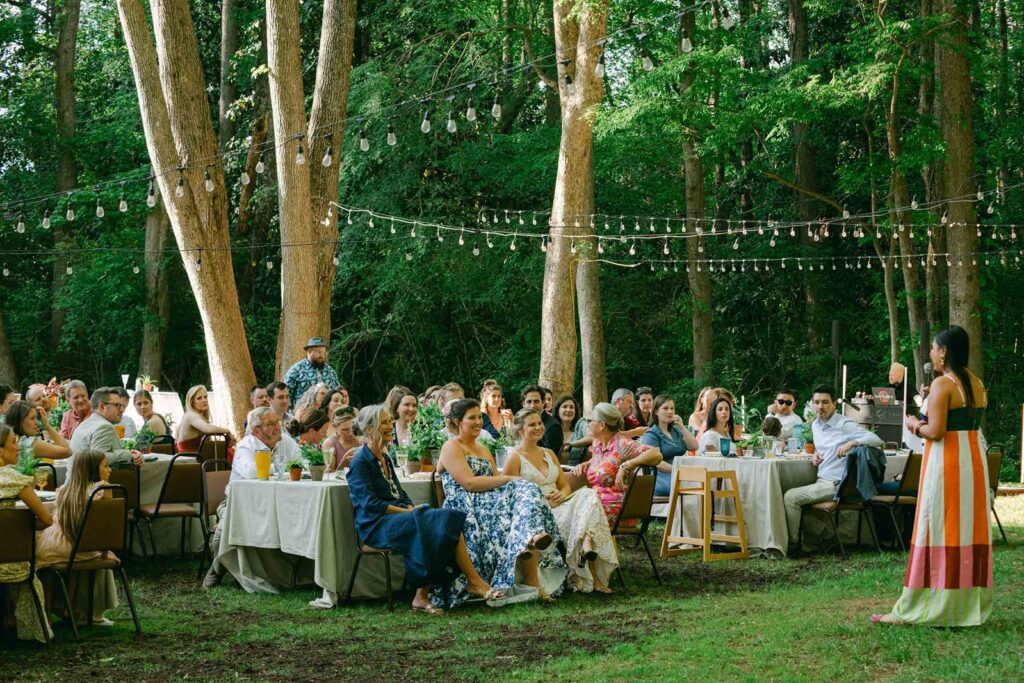
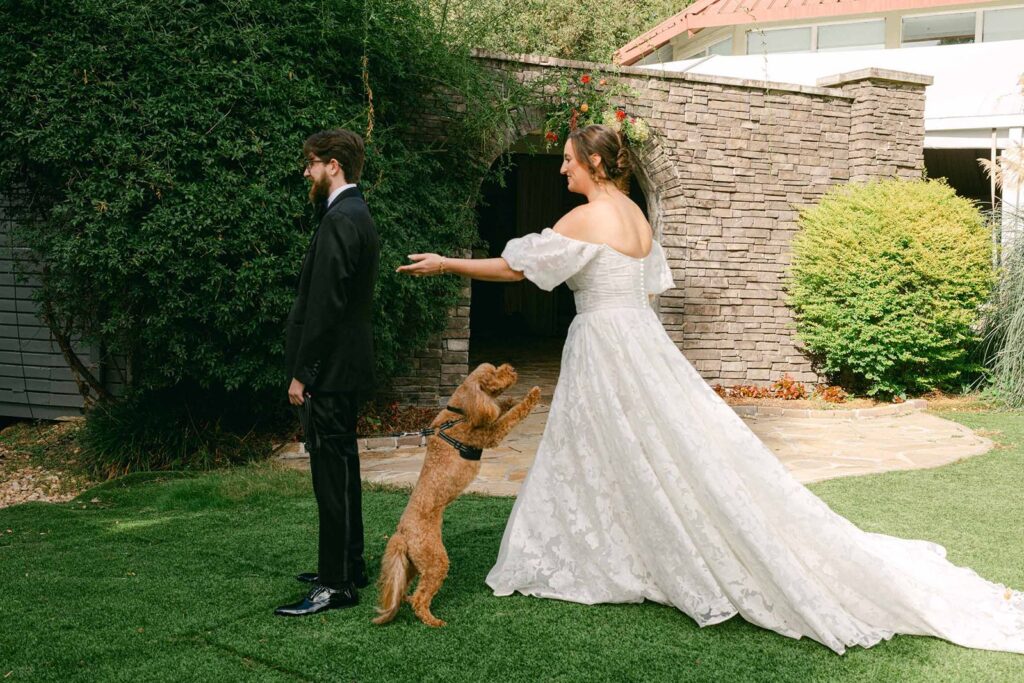
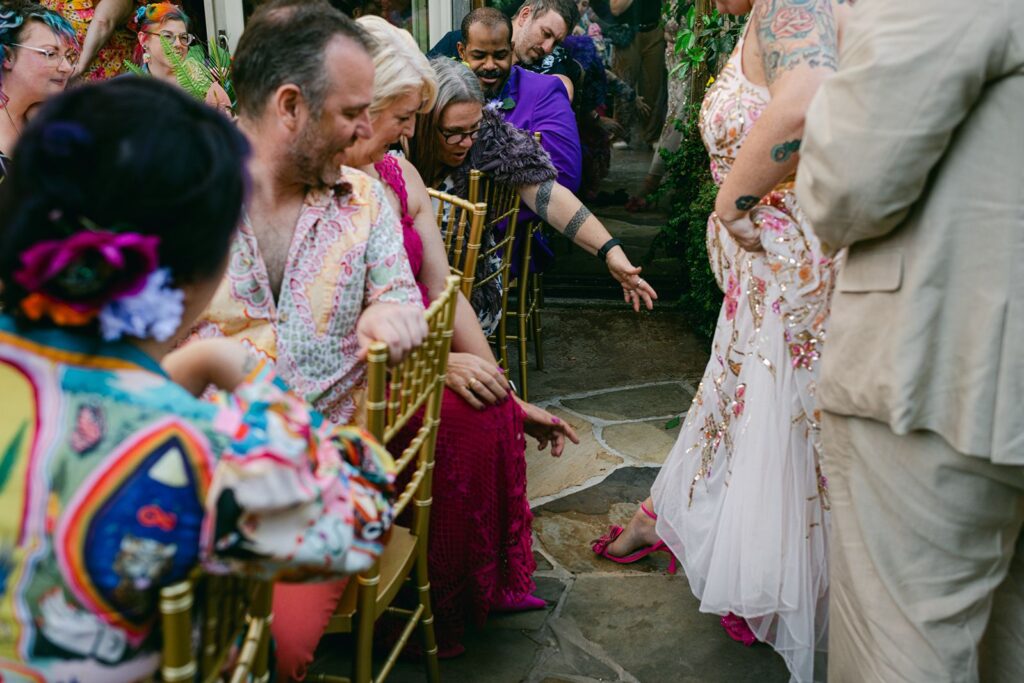
For me, documentary photography is defined by approach: I’m not changing things, staging moments, or asking people to recreate something that just happened. I’m not imposing ideas about how your wedding should look, how you should express yourselves, or what moments deserve attention. Instead I’m staying curious, watching closely, and letting the story unfold as it already exists. The photographs come from what’s happening, not from directing or shaping it into something else.

How Documentary Coverage Shows Up on a Wedding Day
One of the most common misunderstandings couples have is assuming that documentary photography still involves being prompted during a dedicated portrait time, just in a softer or more relaxed way. In reality, there often isn’t a clearly defined portrait block at all because instead of assigning a long stretch of time to step away from your people for photos, documentary coverage tends to fold moments in naturally throughout the day.
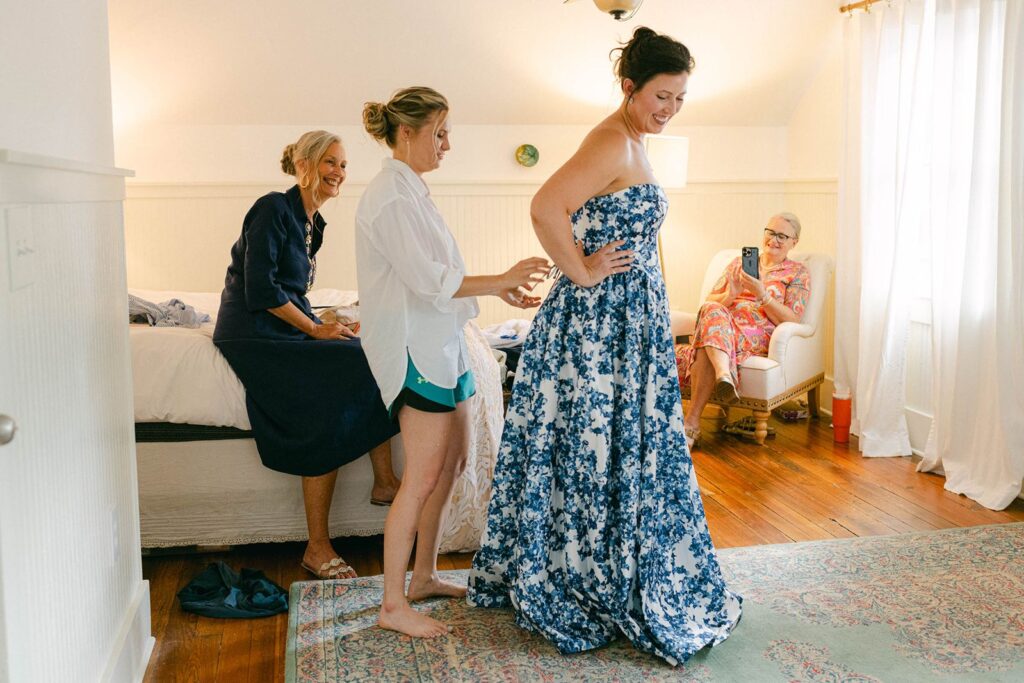
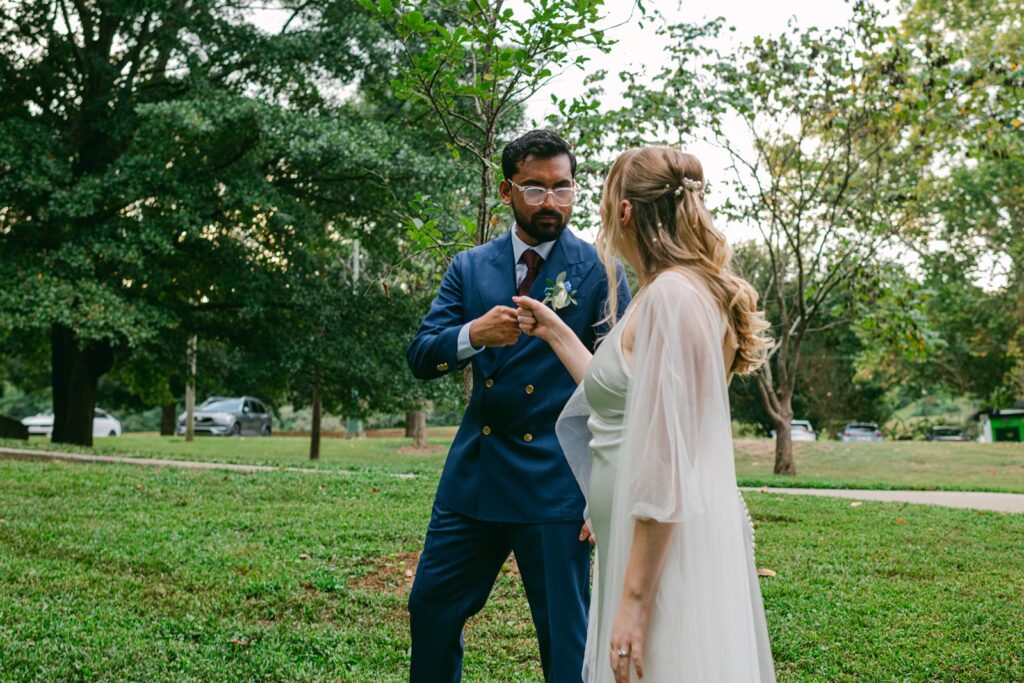
For example, right after their ceremony, a couple might want to take a short walk together in a park connected to their venue. They grab a glass of champagne, talk, laugh, take a breath, maybe dance a little, maybe just sit quietly together. This might last five minutes and then they head back in to join cocktail hour. Nothing about the moment is staged, and nothing takes away from the rest of the day. It’s something they would have wanted to do anyway, so my role is simply to document it as it happens. The emotional value of that time matters far more than whether it fits into a traditional idea of a portrait session.
Portraits, Family Photos, and Details
Another persistent myth is that choosing a documentary approach means giving up portraits, group photos, or details. But that’s not how this works! If those things matter to you, you talk to your photographer about them. Documentary photography doesn’t remove your ability to have preferences or priorities, in fact it’s quite the opposite: it means the day is structured around what you care about, rather than the other way around.
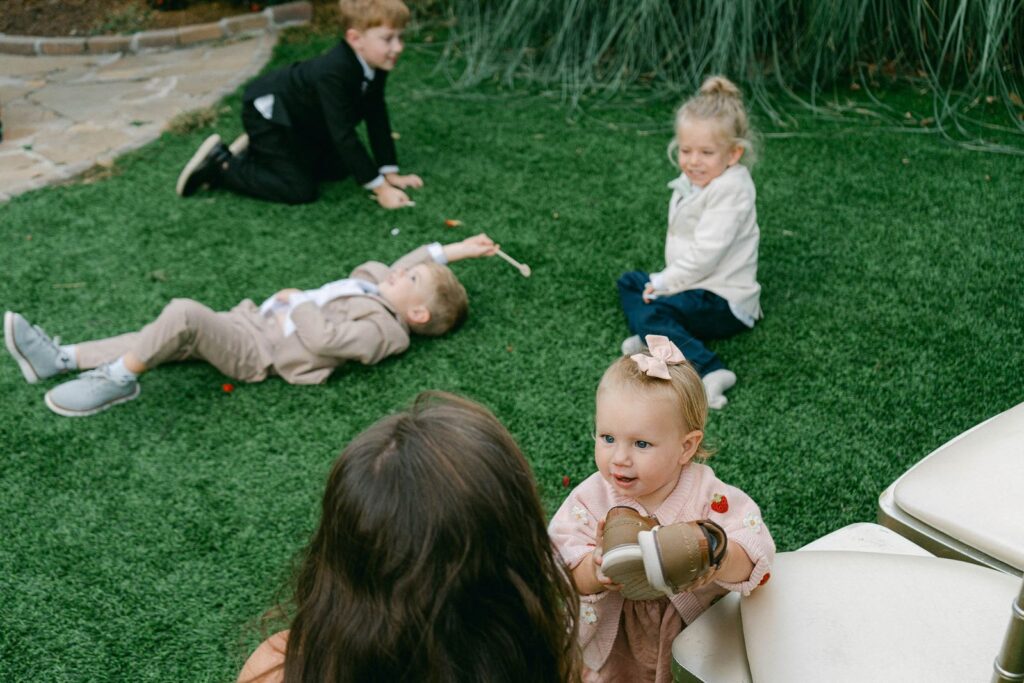
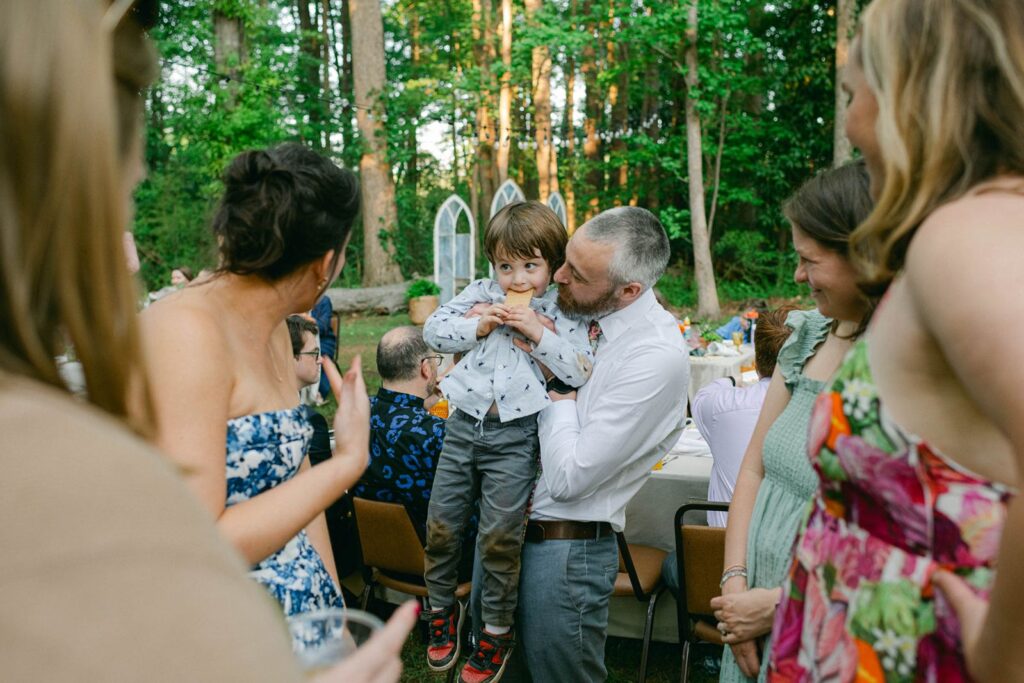
Family photos are a great example of how flexible this can be. Some couples want a very structured list. Others only want one photo with everyone together. Some prefer to spread family photos throughout the day so they happen naturally when people are already interacting, rather than during a formal lineup. All of those choices are valid, and they all work beautifully with documentary coverage. What matters is that the approach reflects how you want to experience your wedding.
Details work the same way. I photograph them, but I’m almost always looking for context. Shoes on your feet, jewelry being worn, objects interacting with the people who gave them meaning. If you specifically request a detail photographed on its own, that’s something you can ask for. My goal, though, is always to tell the story of why something matters. For me and my couples, an heirloom carries more weight when it’s connected to the person and moment it belongs to.
Documentary Wedding Photography and Timelines
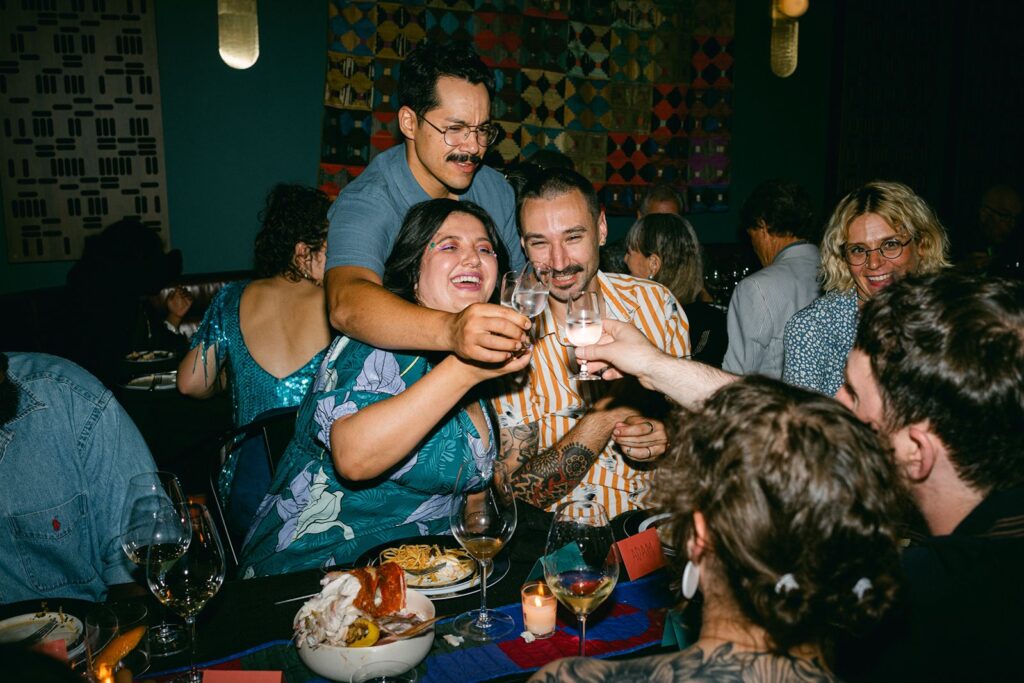
From a timeline perspective, documentary photography usually results in fewer interruptions and more continuity. You don’t need to set aside large swaths of time that are labeled as photo sessions. You’re not being taken away from your guests for extended periods. And you’re not missing out on cocktail hour. If spending time with your people is important to you, this approach supports that beautifully. When couples communicate this clearly during planning, the timeline can be built to reflect presence over production, with fewer pauses and less pressure to move from one assigned photo moment to the next.
Why Unposed Photography Can Feel Scary at First
A lot of the anxiety around unposed photography isn’t really about the images themselves. It’s about conditioning. Most of us have spent our lives being told what to do in front of a camera, how to stand, where to put our hands, and what looks “right.” Being told to just be yourselves can feel unsettling at first, like you’re expected to magically know how to exist in front of a lens without instruction when that’s never what we were taught.
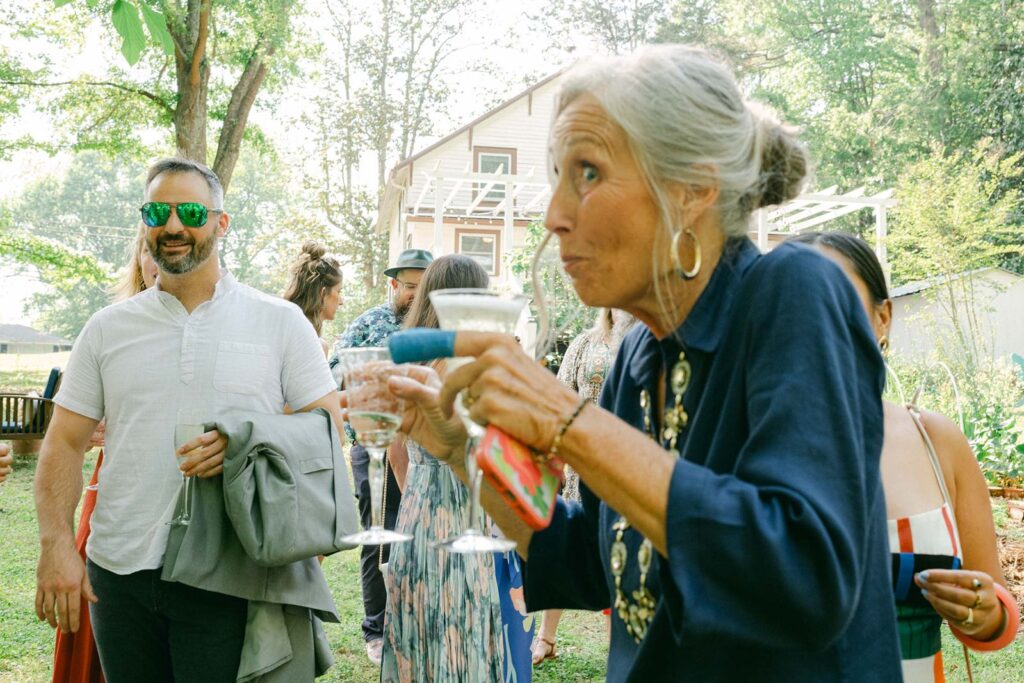
What actually happens is much more gradual. Understanding how this approach works. Knowing that your timeline reflects what matters to you. Experiencing an engagement session in this style to get used to it and relax. Letting trust build over time. It’s not jumping into a cold pool all at once. You get used to the temperature as you go. Over time, people realize that they don’t need to be told what to do. They already move, interact, and exist naturally. Documentary photography makes room for that instead of correcting it.

Talking With Vendors About a Documentary Approach
If you’re considering documentary photography, you’re allowed to want an experience that prioritizes presence. You’re allowed to want fewer interruptions, more flexibility, and images that feel like memories rather than productions. You’re also allowed to ask questions until you understand what you’re booking.
When talking to photographers who describe their work as documentary, ask about the process. Ask how the day is structured. Ask how much input they have during moments and how much control they expect to hold. Clarity around those answers helps you choose someone whose approach aligns with how you want your wedding to feel.
Frequently Asked Questions About Documentary Wedding Photography
Will we still get portraits with documentary wedding photography?
Yes, if portraits are important to you. Documentary wedding photography doesn’t remove your ability to have photos of the two of you together; it simply changes how much of the day is built around creating them. Portraits tend to happen in shorter, more fluid moments that fit naturally into the timeline, rather than as a long, assigned session that pulls you away from your guests. The focus stays on documenting your experience instead of manufacturing images.
Does documentary wedding photography include family photos?
Absolutely. Family photos are entirely preference-driven. Some couples want a structured list, some want a single group photo, and others prefer family photos to happen more organically throughout the day while people are already interacting. Documentary coverage is flexible enough to accommodate all of these approaches, as long as expectations and priorities are communicated clearly.
How does documentary wedding photography affect the wedding timeline?
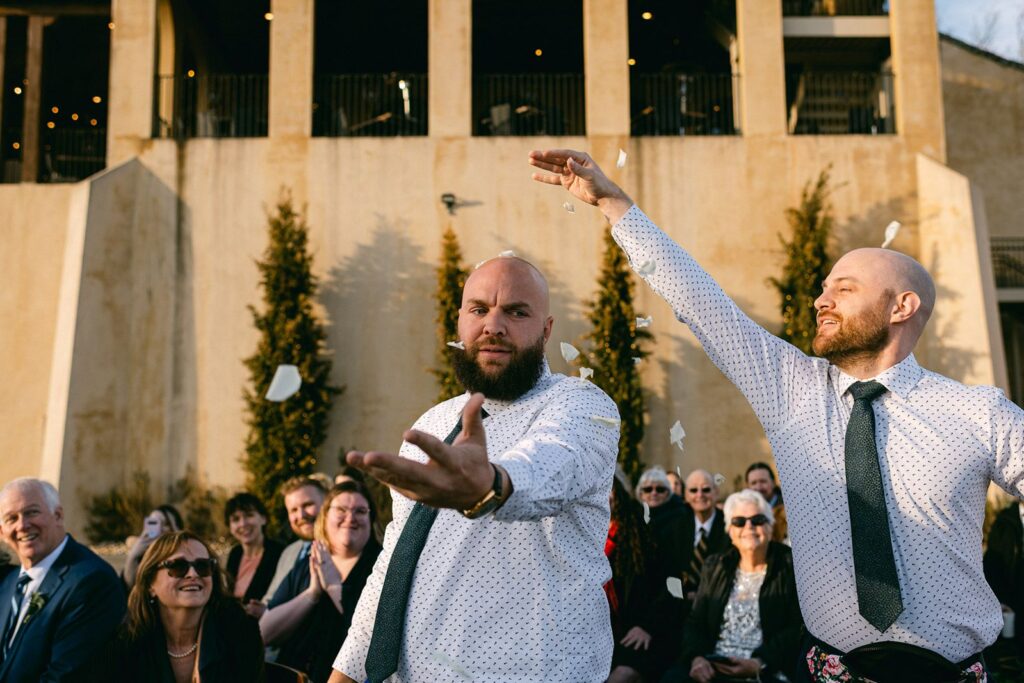
In most cases, it results in fewer interruptions and more continuity. Because documentary coverage doesn’t rely on large blocks of time set aside for photo sessions, couples often spend more time with their guests and less time moving between scheduled photo moments. When the timeline is built around presence and flow, photography becomes part of the day instead of something that constantly pauses it.
Is documentary wedding photography a good fit for camera-shy couples?
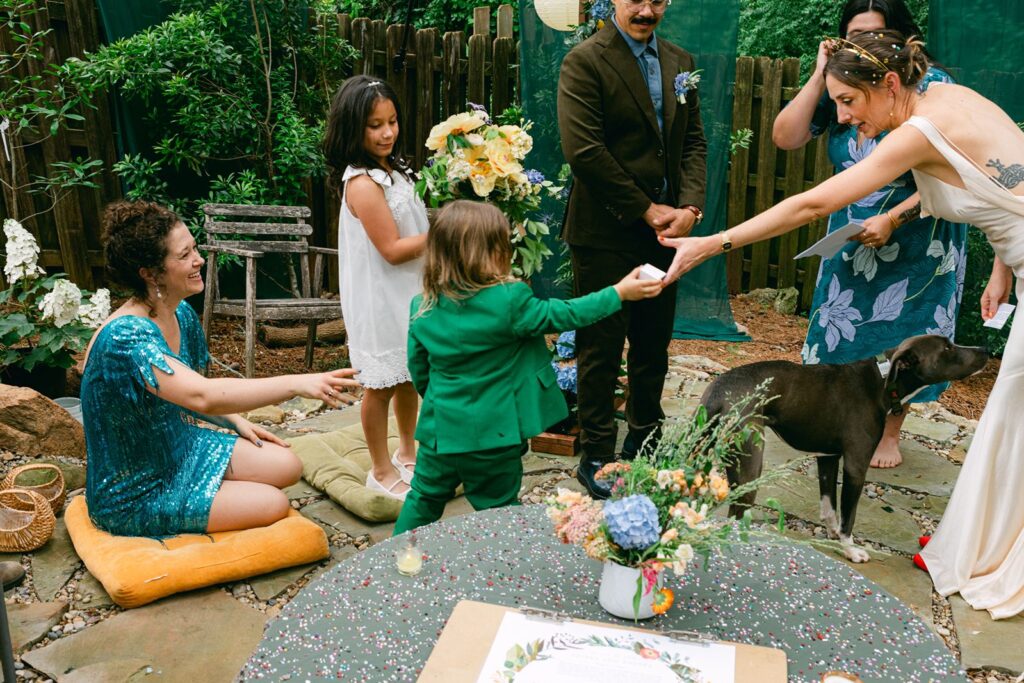
Often, yes. Many people who are drawn to documentary wedding photography are uncomfortable with being posed or told how to act in front of a camera. Because this approach prioritizes natural interaction and real moments, people tend to relax into it over time. Rather than needing to “perform,” couples are able to focus on each other and their people, which usually results in photographs that feel more honest and familiar.
Choosing a Documentary Wedding Photographer
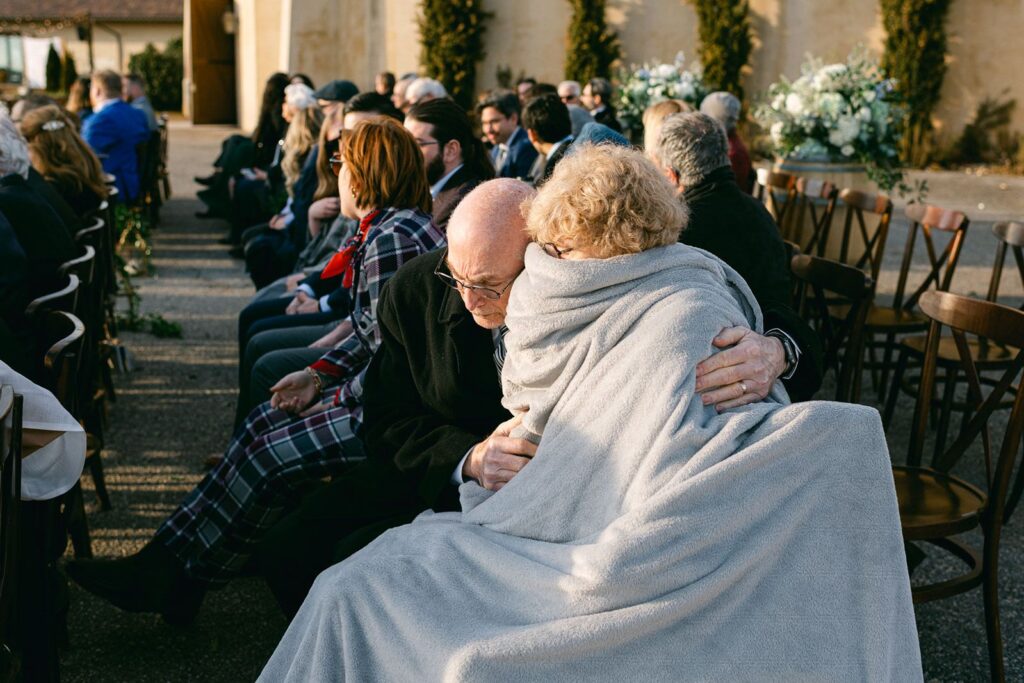
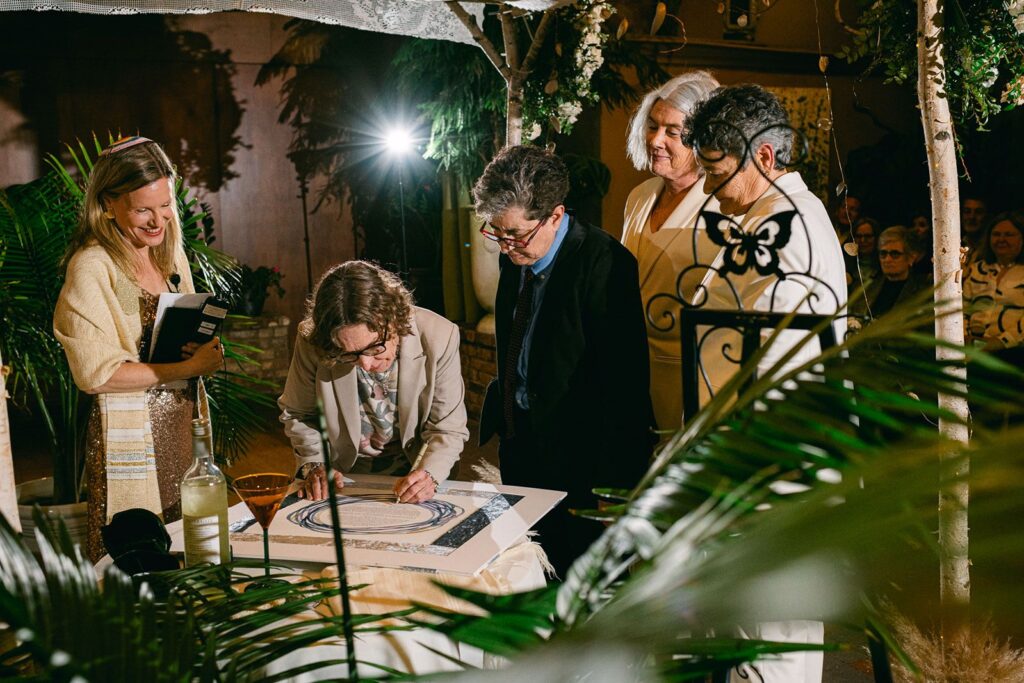
If you’re searching for a documentary wedding photographer, one of the most important things to understand is how that photographer actually works on a wedding day. Documentary wedding photography isn’t defined by a certain aesthetic or editing style so much as it’s defined by process. Asking how the day is structured, how much input the photographer has during moments, and how flexible the coverage is will tell you far more than a portfolio alone. Documentary-style wedding photography relies on observation, patience, and trust in what naturally unfolds, which means the experience of the day is just as important as the images themselves. When those values align, the resulting photographs tend to feel less like a production and more like a true record of the experience you lived.
Even if documentary photography isn’t ultimately the right fit for you, understanding the language gives you better tools to make informed decisions. And that understanding is what allows you to build a day that actually feels like yours.
All photos by Raven Shutley Studios


Be the first to comment